
Description
Product Overview
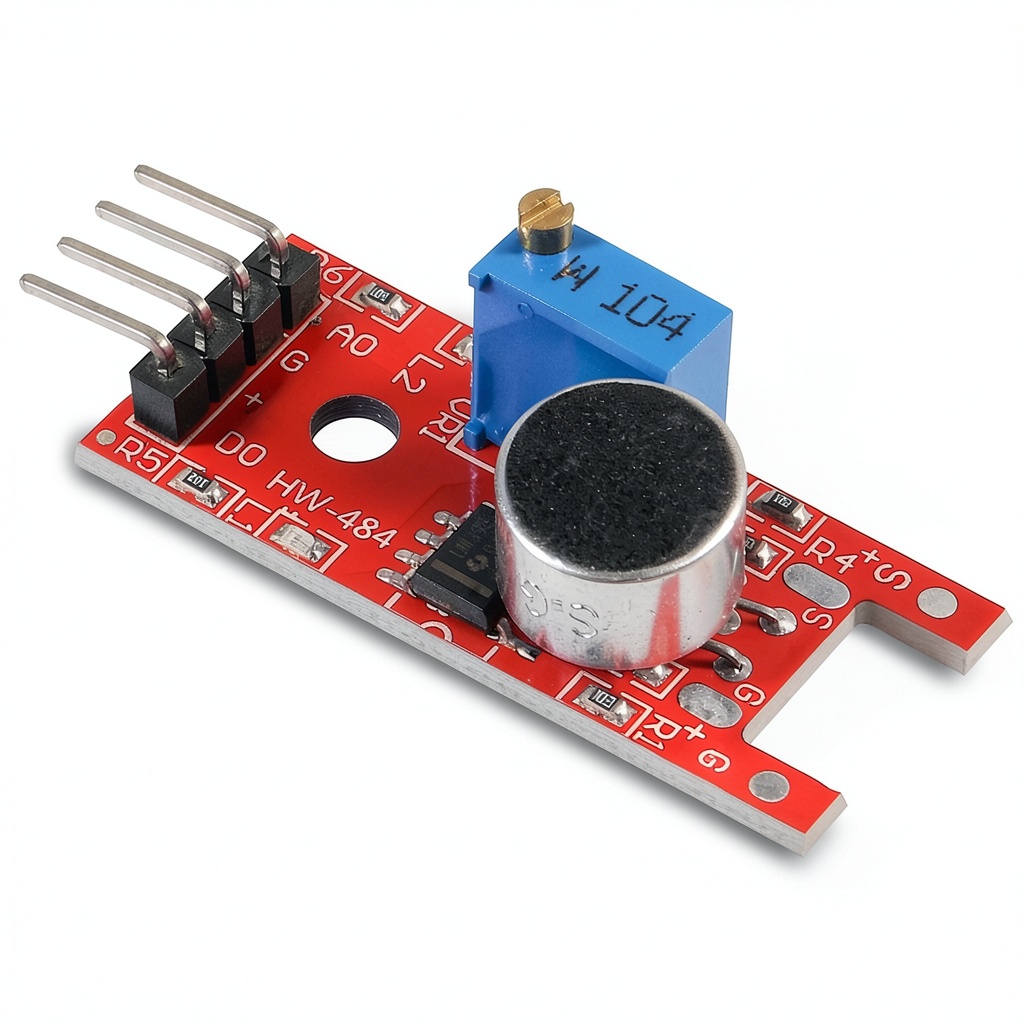
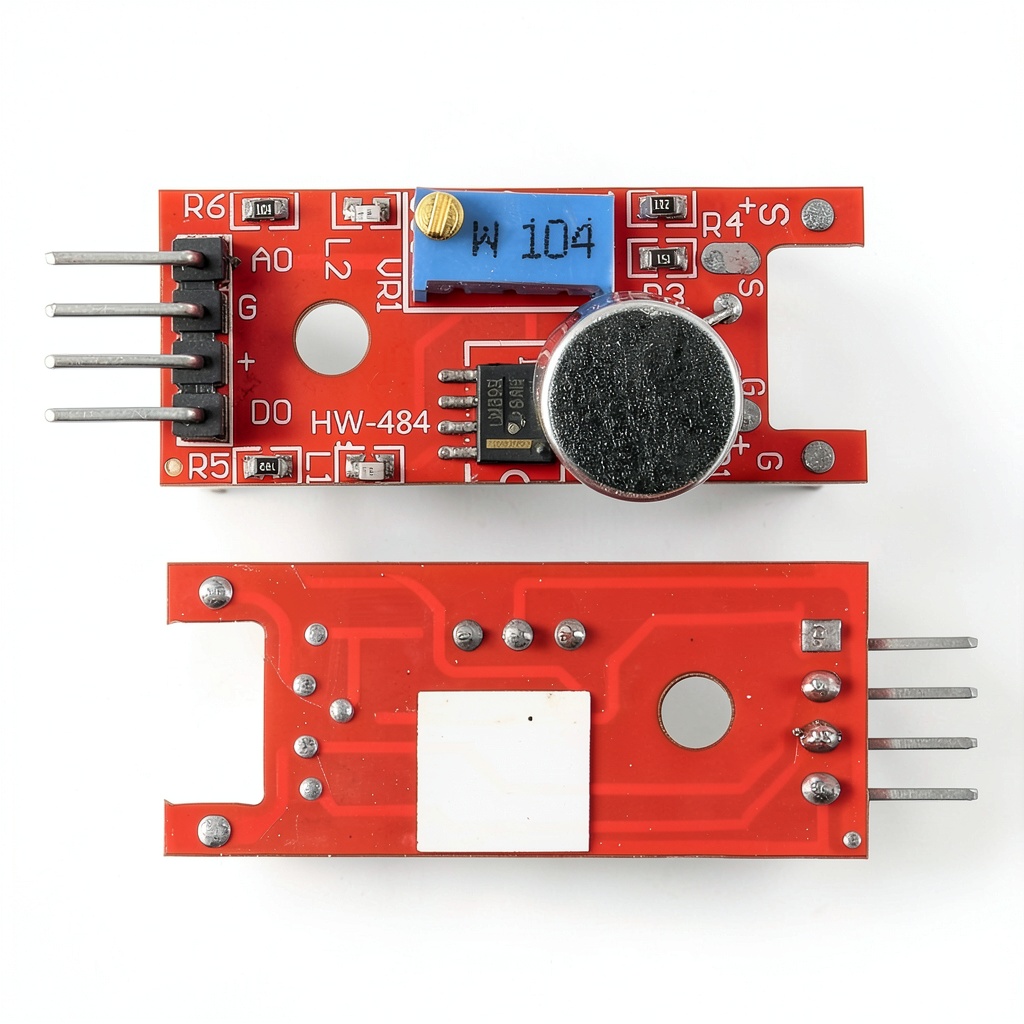
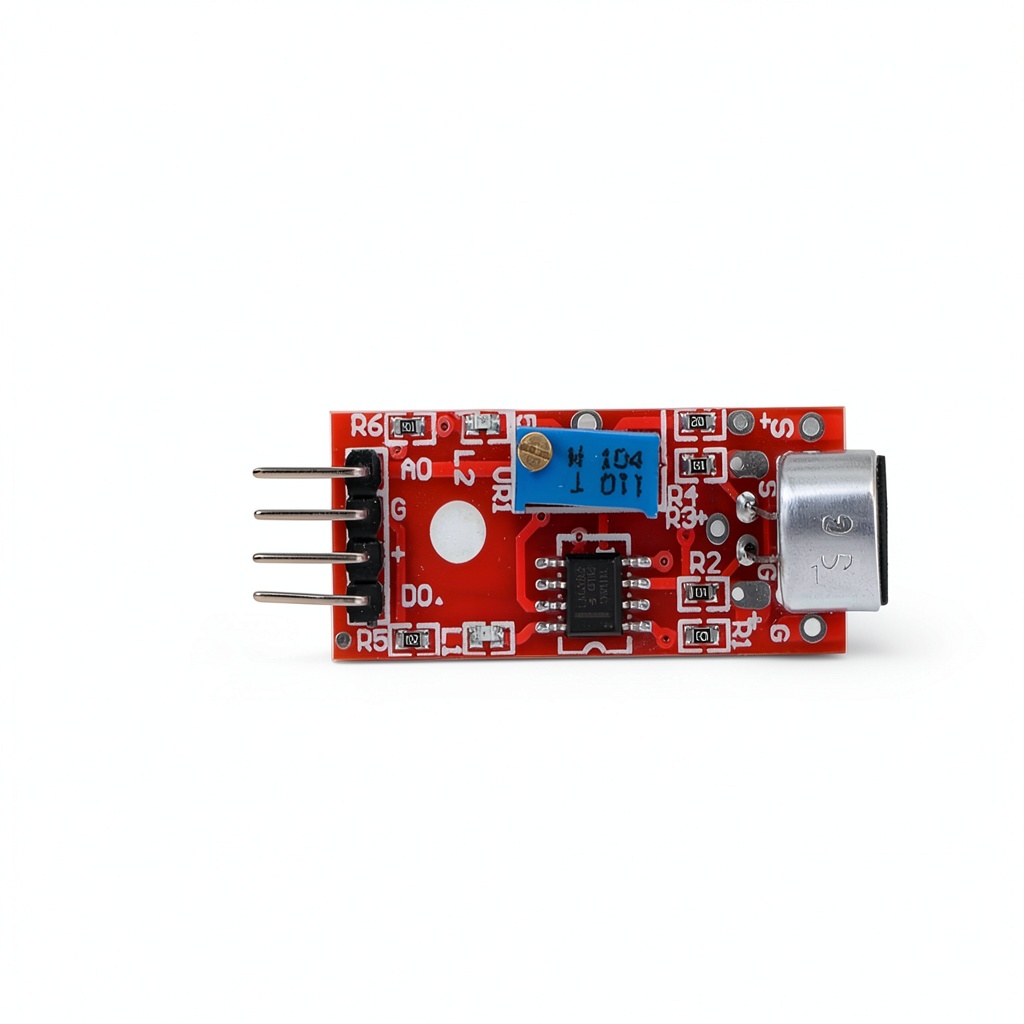
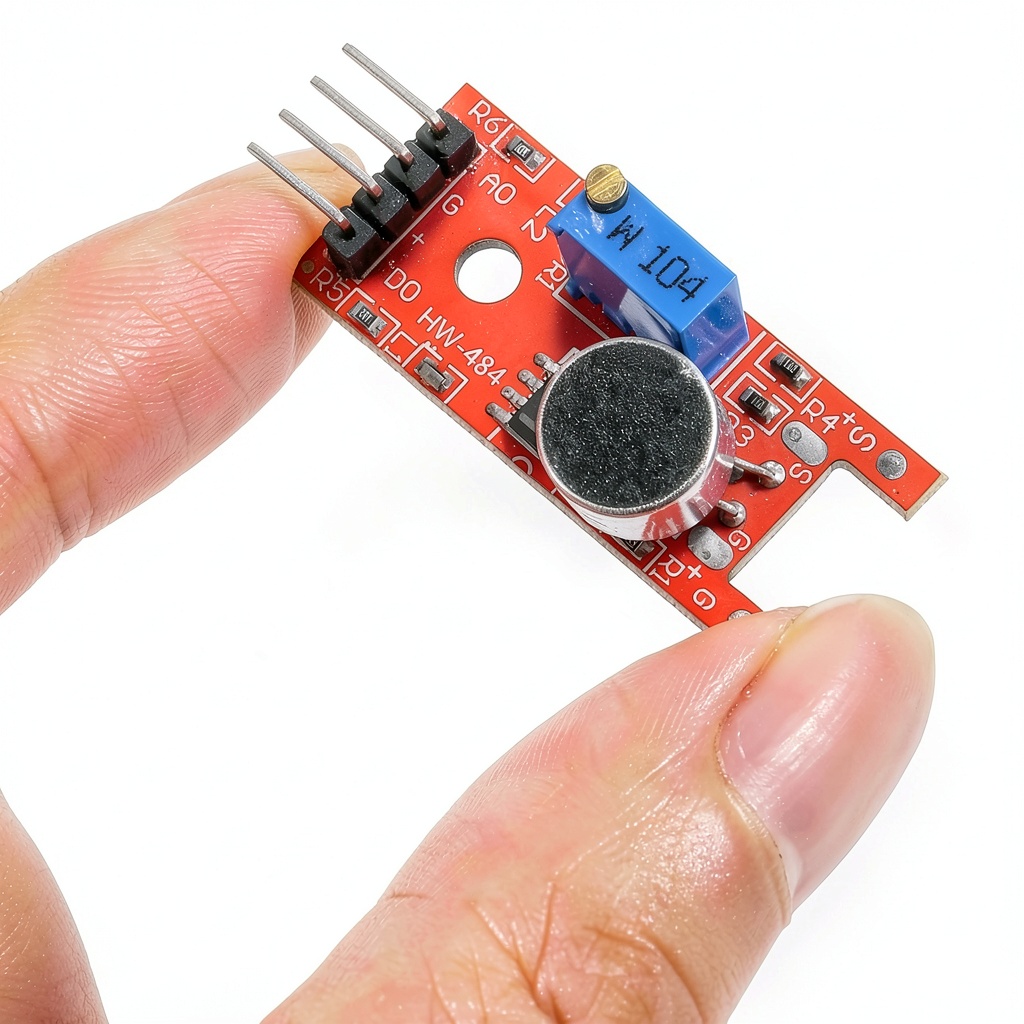
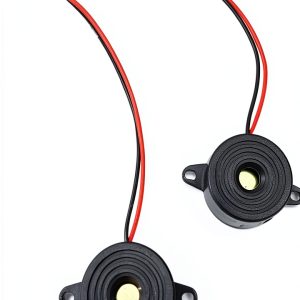
The DUTTY Sound Sensor Module is a compact, high‑sensitivity microphone designed for Arduino and other microcontroller platforms. Measuring just 3.94 × 3.94 × 0.39 inches and weighing 1.76 oz, it fits easily into breadboards and prototype enclosures. Operating on a flexible 3.3 V‑5.5 V DC supply, the module provides both digital (logic‑high/low) and analog voltage outputs, allowing developers to choose the most suitable signal format for their application. Adjustable sensitivity lets users fine‑tune the detection threshold, making the sensor adaptable from quiet indoor environments to louder industrial settings. The robust piezo transducer construction ensures consistent performance over a wide temperature range, while the integrated amplification circuit delivers a clear, low‑noise signal.
Usage
Designed for makers, educators, and engineers, this sensor excels in projects that require real‑time sound monitoring. Typical applications include voice‑activated controls, noise level meters, acoustic event detection, and interactive art installations. Its low power draw makes it suitable for battery‑operated devices, while the dual output options simplify integration with both analog‑read and digital‑interrupt based Arduino sketches. 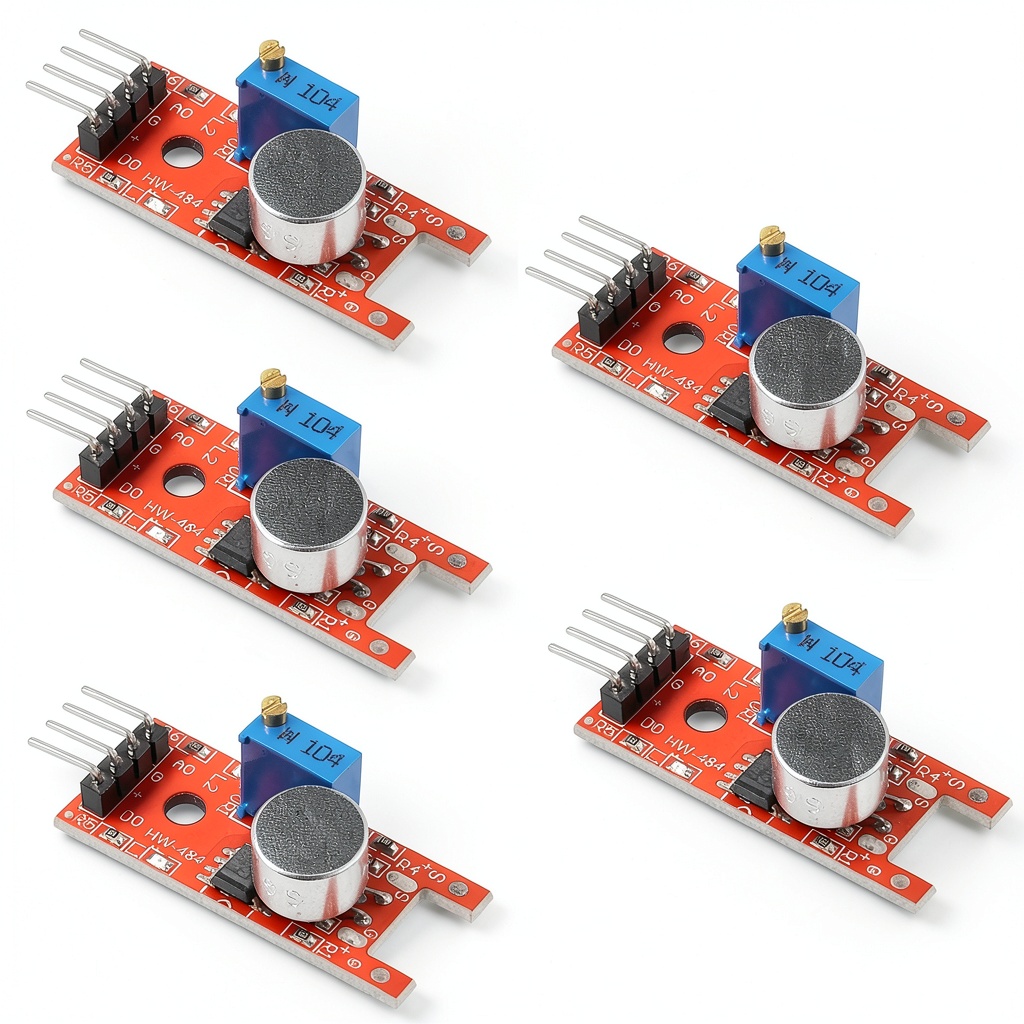
Why Choose Us
DUTTY combines precision engineering with user‑friendly design. Each module undergoes strict quality testing to meet industrial standards, ensuring reliable operation even in demanding environments. The adjustable sensitivity feature reduces the need for external circuitry, saving space and cost. Backed by comprehensive documentation and example code, the sensor shortens development time for both beginners and seasoned developers.
Key Features
- Adjustable sensitivity for customizable sound detection thresholds
- Dual output: digital logic level and analog voltage signal
- Wide operating voltage range (3.3 V‑5.5 V) for flexible power options
- Compact footprint and lightweight design for easy prototyping
- High‑sensitivity piezo microphone delivers low‑noise performance
FAQ
What is the difference between the digital and analog outputs?
The digital output provides a simple HIGH/LOW signal when sound exceeds the set threshold, ideal for interrupt‑driven applications. The analog output delivers a continuous voltage proportional to sound intensity, useful for detailed sound level analysis.
Can I use this sensor with a 5 V Arduino board?
Yes, the module operates safely within a 3.3 V‑5.5 V range, making it compatible with standard 5 V Arduino boards without additional level shifting.
How do I adjust the sensitivity?
A small potentiometer on the board allows you to fine‑tune the detection threshold. Turning it clockwise increases sensitivity, while counter‑clockwise reduces it.
Is the sensor suitable for outdoor projects?
The piezo transducer is robust and can handle typical outdoor temperature variations, but for harsh weather exposure, consider adding a protective enclosure.
Do you provide example code for Arduino?
Yes, DUTTY supplies sample sketches for both digital and analog reading modes, along with wiring diagrams to help you get started quickly.
Reviews
There are no reviews yet.